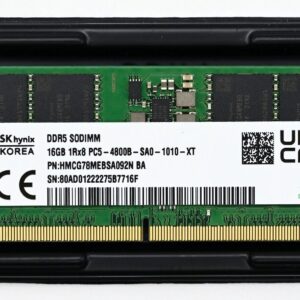
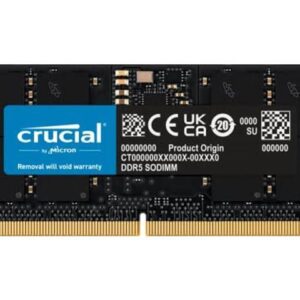
Understanding the differences between server RAM and desktop RAM is crucial if you’re building infrastructure for your business or data center. Despite similarities, these RAM types are engineered for very different purposes.
Related: RAM specifications for more details on this topic.
What Makes Server RAM Different?
Server RAM (ECC RDIMM or UDIMM) is designed for 24/7 reliability and error detection, making it essential for mission-critical applications.
ECC Error Correction
Server RAM includes Error Correcting Code (ECC) technology that automatically detects and corrects single-bit errors. This prevents data corruption in critical environments where reliability is paramount.
Performance Considerations
- Desktop RAM: Optimized for speed in consumer applications
- Server RAM: Optimized for stability and error detection over raw speed
When to Choose Server RAM
Use server RAM for database servers, virtualization hosts, or any system where data integrity is more important than speed. Desktop RAM is fine for personal computers and gaming systems.
Cost Implications
Server RAM typically costs 20-40% more than consumer RAM due to additional quality assurance and error correction features. Invest in it only when necessary for your use case.